Evaluating the Warm Tea Cup Design for Real Embroidery Projects
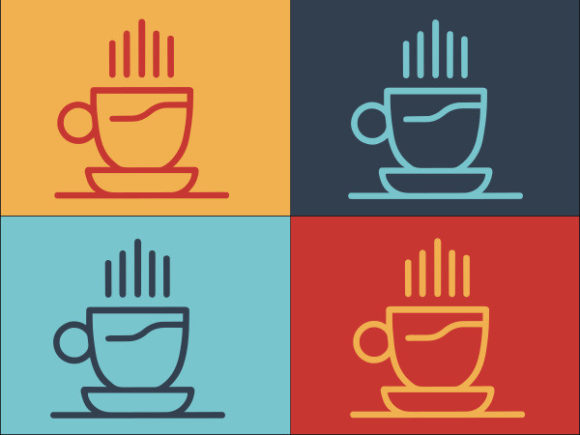
When a new embroidery design comes across my desk, I'm not just looking at the graphic. I'm thinking about how it will feel once stitched, how the threads will settle into the fabric, and what kind of story it will tell on a finished product. That's exactly the lens I'm applying to the Warm Tea Cup logo template.
First Impression: Elegant Simplicity That Suggests Comfort
The immediate mood here is one of quiet comfort and modern hospitality. It’s not a loud, illustrative piece; it's a clean, stylized graphic with a distinctly versatile personality. The shape is gentle, the layout balanced, and the detail level feels intentionally restrained—not overly simple, but not fussy either. This tells me it belongs on projects that value subtlety and sophistication over bold statement. I can already envision it on a linen pillow cover for a cozy reading nook or as a small, tasteful logo on the breast of a soft cotton sweatshirt.
Where This Design Thrives in Embroidery
In practical application, the Warm Tea Cup design’s elegance translates beautifully into several real-world scenarios. Imagine a custom embroidered tote bag for a local tea shop—the design becomes a quiet brand mark that feels handmade and authentic. For a personalized gift, like a tea towel or an apron, it adds a touch of thematic charm without overwhelming the item.
As a small shop product on Etsy, this could anchor a whole line of craft business merchandise: think embroidered patch kits, cozy blanket corners, or even delicate nursery decor for a "little sipper" theme. The modern styling means it would also integrate seamlessly into branding for a creative entrepreneur—a well-embroidered cap or polo shirt for a cafe owner, for instance. Its versatility across apparel, home decor, and gift items is its strongest practical asset.
The Real-Life Embroidery Scenario: A Boutique Holiday Sweatshirt
Let’s walk through a specific case. I’m considering using Warm Tea Cup for a limited-run holiday sweatshirt for my boutique. The concept is "cozy season," and this design fits perfectly. I’m thinking about placement: a single, centered motif on the chest. On a mid-weight fleece, the clean lines should stitch out with good clarity. The areas of potential fill stitch (like the cup body) need to be assessed for density—too dense on a stretchy fabric can cause puckering, but a balanced fill should look plush and luxurious, increasing the perceived product value.
I’m confident it would create a sense of crafted care that customers trust. It doesn’t look generic; it looks intentionally chosen, which enhances handmade presentation. As a holiday embroidery gift, it’s non-seasonal in a literal sense but deeply seasonal in mood—a smart choice for a gift that can be used year-round.
Points of Careful Consideration Before Hooping
No design is universally perfect, and practical judgment is key. For Warm Tea Cup, the elegant lines are a strength, but on certain applications, they require forethought. On very small hoop sizes, some of the finer curves might lose definition if the stitch width isn't adjusted appropriately. On textured fabrics like a loose-knit sweater, the detail could get lost.
I’d be cautious with very dark fabric if the design relies on fine negative space; thread color contrast is paramount. Applying it to curved surfaces like caps would work, but the layout might need slight repositioning to follow the curve gracefully. For items needing frequent washing, like baby clothes or kitchen towels, ensuring the stitch structure is secure and not too delicate is important for longevity.
How This Design Impacts Your Project's Success
Beyond the stitches, this design affects the bigger picture. Its stylish and modern feel, as described, lends professionalism to a finished product. For a digital product seller, using this in a printable mockup to showcase a potential embroidered patch would immediately communicate quality to potential buyers, boosting buyer engagement. For brand consistency, if this theme is part of your shop's identity, using it across various products—totes, aprons, patches—creates a recognizable and cohesive collection.
The visual appeal is understated, which can be a powerful tool. It doesn’t shout; it invites. That can make a personalized gift feel more thoughtful and a commercial embroidery project feel more refined.
Practical Notes From the Embroidery Table
Before committing this design to a client project or your own craft business items, here’s my routine checklist:
- Always test on scrap fabric first. Use the same material and weight as your final project. This reveals everything about stitch density and thread colors.
- Check how it looks in both black and white digital mockups to preview its form on light and dark backgrounds.
- For the embroidery file, since SVG is noted as included, confirm it works smoothly in your software for any needed sizing or minor customization.
- Inspect the small details in your test stitch-out. Are the lines clean? Do any corners stitch smoothly?
- Use proper stabilizer for your chosen fabric. This design’s elegance depends on a flat, stable stitch.
- Crucially, confirm licensing before selling finished items or digital products. Understand if it’s cleared for both personal and commercial projects.
The description mentions it’s easy to customize. For an embroidery designer, this might mean adjusting size or perhaps integrating it with text. That versatility is a real benefit for custom apparel projects where you need to tailor the look to a specific garment.
A Final, Realistic Assessment
The Warm Tea Cup design isn’t a flashy, all-purpose graphic. It’s a mood-setter. It finds its strength on projects where warmth, simplicity, and modern craft are the message. From an embroidered patch on a denim jacket to a subtle accent on a baby embroidery blanket, it brings a consistent, quiet charm. My professional judgment is that it’s a reliable, stylish asset for makers who value design coherence and understated appeal. It won’t dominate the item it’s on; it will enhance it, which is often exactly what a successful embroidery project needs.